
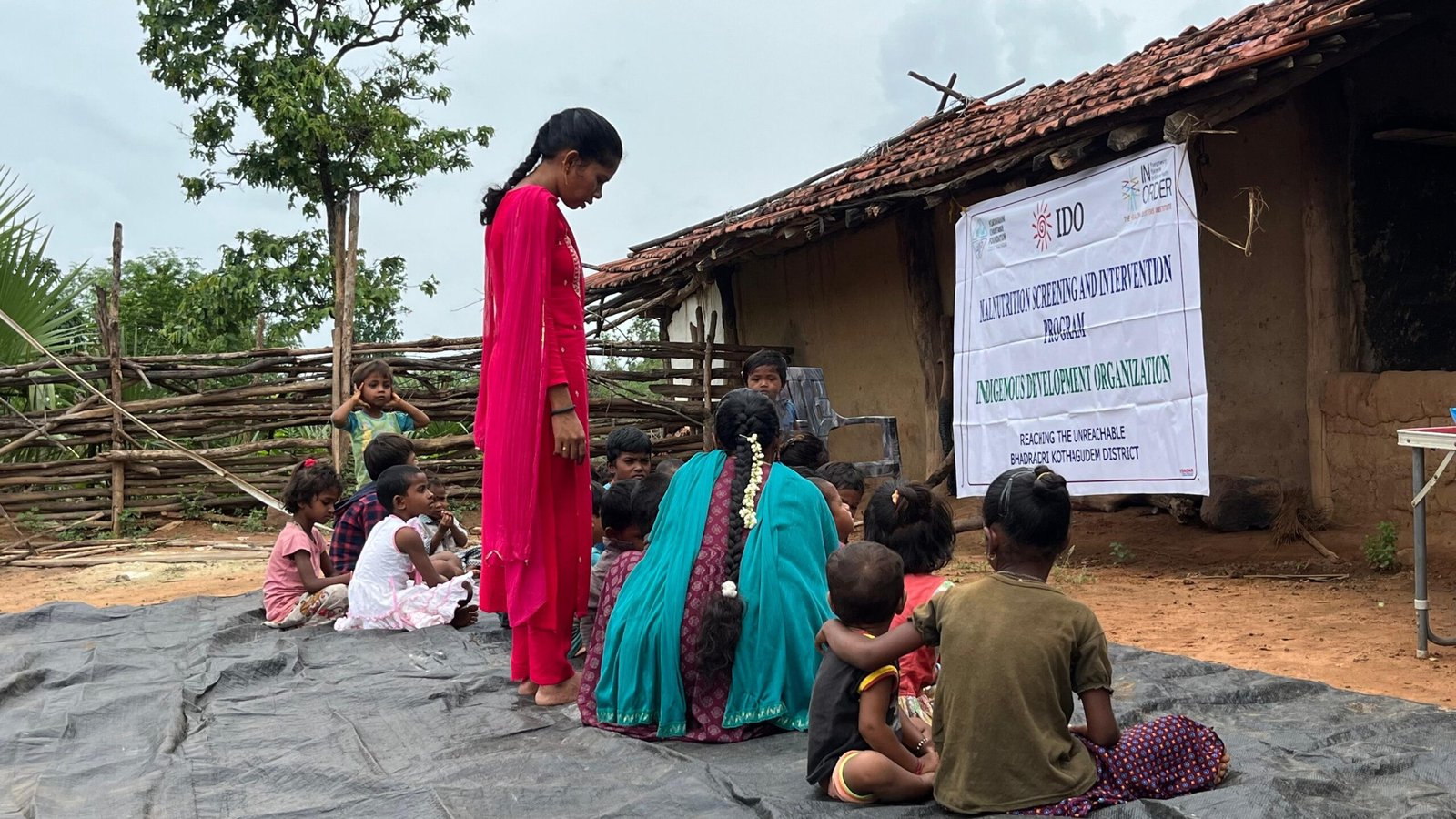
As we look back on 2025, one word stands out for us: intentionality. This has been a year where our work has consciously moved beyond individual interventions to address the deeper structures, capacities, and relationships that shape how health systems function.
Our work on the Strengthening Primary Healthcare through Participatory Action Research (SPH-PAR) initiative continued to reinforce the importance of context-specific, community-rooted solutions. In July, Affordable Quality Health (AQH) convened the first review workshop on SPH-PAR findings in Hyderabad, creating space for reflection on preliminary evidence from northern Telangana’s tribal districts. The dialogue surfaced the interplay of social, economic, environmental, cultural, and commercial determinants shaping health-seeking behaviour, from water quality and electricity access to menstrual hygiene, substance use, and traditional beliefs. There was strong consensus on the need for culturally sensitive, community-led approaches, innovative communication strategies, and policy-level action to bridge the persistent gap between health needs and health-seeking behaviour.
A key focus this year was ensuring that health systems respond more effectively to social, gendered, and cultural realities. Through a capacity-building workshop in Kothagudem, we worked with frontline and institutional stakeholders to mainstream gender within healthcare settings. These conversations went beyond policy intent, engaging with lived experience, service delivery gaps, and practical ways to embed gender responsiveness into everyday health system functioning.
We were also thrilled to announce participation of InOrder, The Health Systems Institute in supporting Project PRAKASH, a multi-site, multi-year implementation research initiative aimed at supporting the Government of India’s Anaemia Mukt Bharat (AMB) 2.0 strategy. This project is funded by the Indian Council of Medical Research (ICMR) under the Ministry of Health and Family Welfare.
Knowledge generation and translation also marked important milestones this year. Our publication on policy-to-practice insights from a school-based sanitary napkin distribution programme in Odisha highlighted the complexities of implementation, monitoring, and equity in large-scale public health programmes. Such learning is essential to ensure that policies are not only well-designed, but effectively executed.
Alongside research and implementation, capacity building and leadership development remained strategic priorities. In collaboration with the Administrative Staff College of India (ASCI), InOrder successfully delivered the fourth batch of the Health Systems Strengthening (HSS) programme. Designed around the WHO Health System Building Blocks and global health frameworks, the programme emphasized systems thinking and practical application through real-world case studies, equipping future public health leaders to navigate complexity and drive change.
At the community level, our partnership with United Way of Hyderabad under the Health Literacy Intervention Program reflected our belief that resilient health systems depend on informed and engaged citizens. Through baseline assessments and participatory learning action modules on NCDs, mental health, and wellbeing, the programme worked toward enabling communities across four Telangana villages to actively manage their health and engage more meaningfully with the health system.
At the same time, we continued to invest in long-term evidence generation. Our partnership with the University of Hyderabad on a five-year longitudinal cohort study- Exploring Human-Centered Population Health Management- seeks to track the health journeys of over 1,200 urban households. As India’s population urbanises and ages, this work aims to generate evidence for more equitable, anticipatory, and integrated models of care that improve not just clinical outcomes, but overall quality of life.
Beyond India, our commitment to leadership development extended to the global South. ACCESS Health, in collaboration with MECRIT at the Khesar Gyalpo University of Medical Sciences of Bhutan, conducted two batches of a Leadership Training Program for NCD Control and Management in Paro, with InOrder and KIIT serving as academic partners. This first-of-its-kind programme in Bhutan strengthened leadership capacities through evidence-based strategies, regulatory frameworks, and modules on communication, conflict resolution, change management, and ethical decision-making, empowering healthcare leaders to drive multisectoral NCD action.
At the national and global level, dialogue and shared learning remained central to our work. Our participation in IPHACON-2025 and our role as co-hosts of the Global Learning Collaborative for Health Systems Resilience (GLC4HSR) Annual Conclave reaffirmed the importance of collective reflection in building systems that are adaptive, fair, and future-ready. InOrder also serves as the India Convener for the APAC CVD Alliance, advancing dialogue at the intersection of policy, implementation, and lived experience. In 2025, we organized the second national-level policy dialogue focused on bridging policy, evidence, patient voices, and on-ground implementation for stronger cardiovascular disease (CVD) care in India.
What unites all these efforts is a simple conviction: strong health systems are built patiently, through evidence and sustained collaboration. Progress is rarely linear but each engagement, study, and partnership contributes to systems that are more responsive to people’s needs.
As we close 2025, I extend my sincere gratitude to our partners, collaborators, communities, and teams. Your commitment and shared purpose continue to shape this journey.
We move into the year ahead grounded in learning and guided by resolve.